Loading...
How to Choose the Right CPVC Fittings for Your Plumbing Project
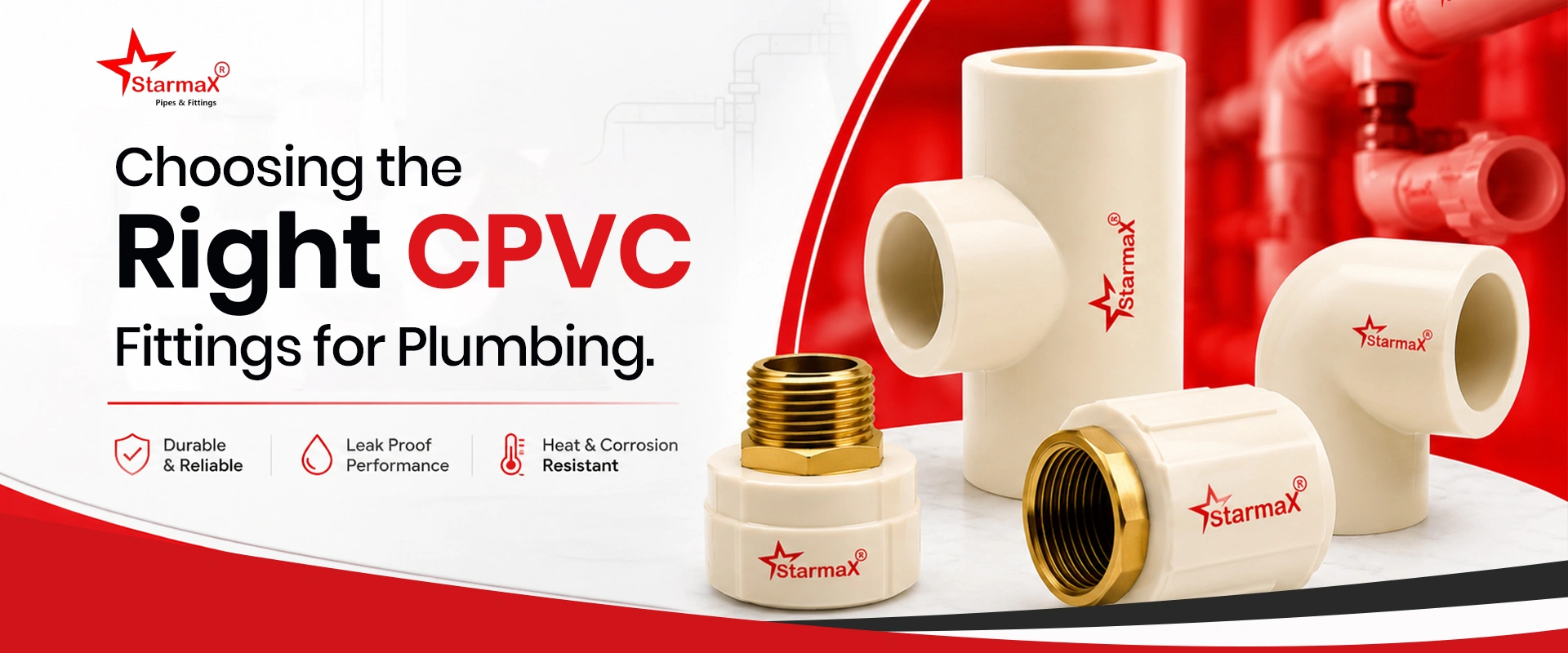
Selecting the correct type and size of CPVC fitting is very important if you want to have a long-lasting and leak-free plumbing system. Whether it's a residential renovation, commercial construction, or an industrial water system, the quality and compatibility of your fittings impact performance, flow, and the overall system reliability.
CPVC Fittings (Chlorinated Polyvinyl Chloride) are the best choice of fittings for hot and cold water plumbing due to their longevity and moisture resistance. Purchasing the wrong size, pressure rating, or type of fitting can cause leaks, loss of water pressure, and expensive repair bills.
To help you pick out the best CPVC fittings for your plumbing job, here’s a complete buyer's guide.
1. Understand Your Plumbing Requirements
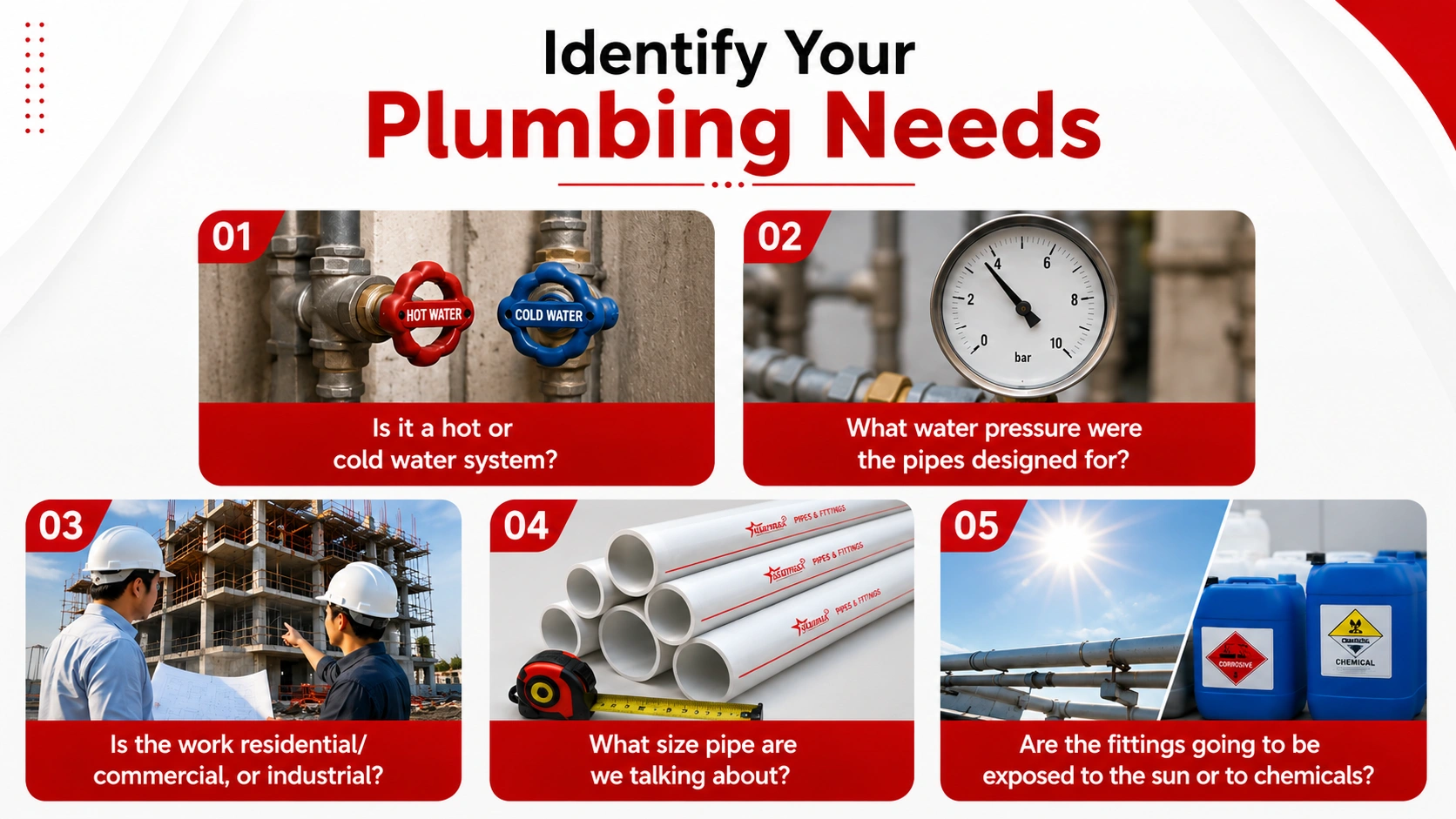
Before purchasing CPVC pipe fittings, understand your plumbing system's needs first.
Take these questions into account:
- Is it a hot or cold water system?
- What water pressure were the pipes designed for?
- Is the work residential/commercial, or industrial?
- What size pipe are we talking about?
- Are the fittings going to be exposed to the sun or to chemicals?
CPVC is the best solution for hot and cold supply lines as it withstands high temperatures, unlike ordinary PVC. The Safe Working Temperature for many CPVC products is 93°C (200°F).
2. Choose the Correct Fitting Type
Various types of CPVC fittings are used in plumbing for various functions. Choosing the right kind allows the water to flow properly, and connections are made securely.
Examples of CPVC Fittings
- Elbows – Alter the direction of water flow
- Tees – Divide or join water lines line
- Couplings/Sockets – Join two pipes together
- Reducers – Join together dissimilar pipes
- Adapters – Join CPVC pipes to metal or to other threaded pipes
- End Caps – Seal the end of a pipe
- Unions – Simple to dismantle for cleaning or repair
- Valves – Stop, start, and regulate the flow of water
These fittings are popular in home and commercial plumbing applications.
3. Match the Pipe and Fitting Size
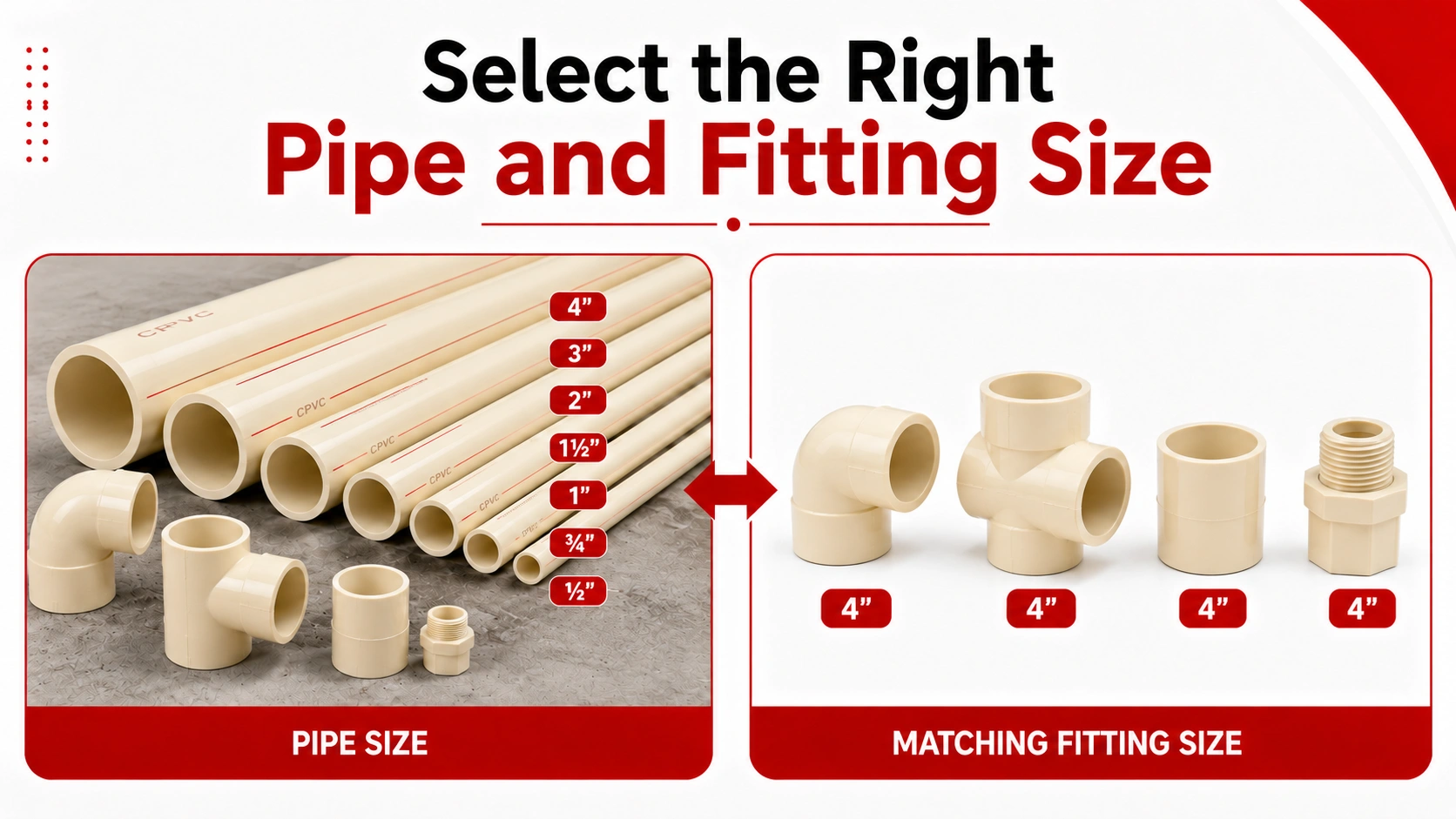
One of the most frequent errors in plumbing is the use of incompatible pipe and fitting sizes.
Always:
- Take the right diameter measurements of the pipe
- Use fittings that are for the same CPVC pipe size
- Determine whether the system is CTS or Schedule 80 based
Guides from the industry clearly state that CTS and SCH80 systems are not compatible and using them together can lead to problems during the installation or, worse, leaks.
Common Residential Sizes
| Pipe Size | Typical Use |
| 1/2 inch | Bathroom lines |
| 3/4 inch | Kitchen & shower supply |
| 1 inch | Main water lines |
| 1.5 inch+ | Commercial systems |
4. Check Pressure and Temperature Ratings
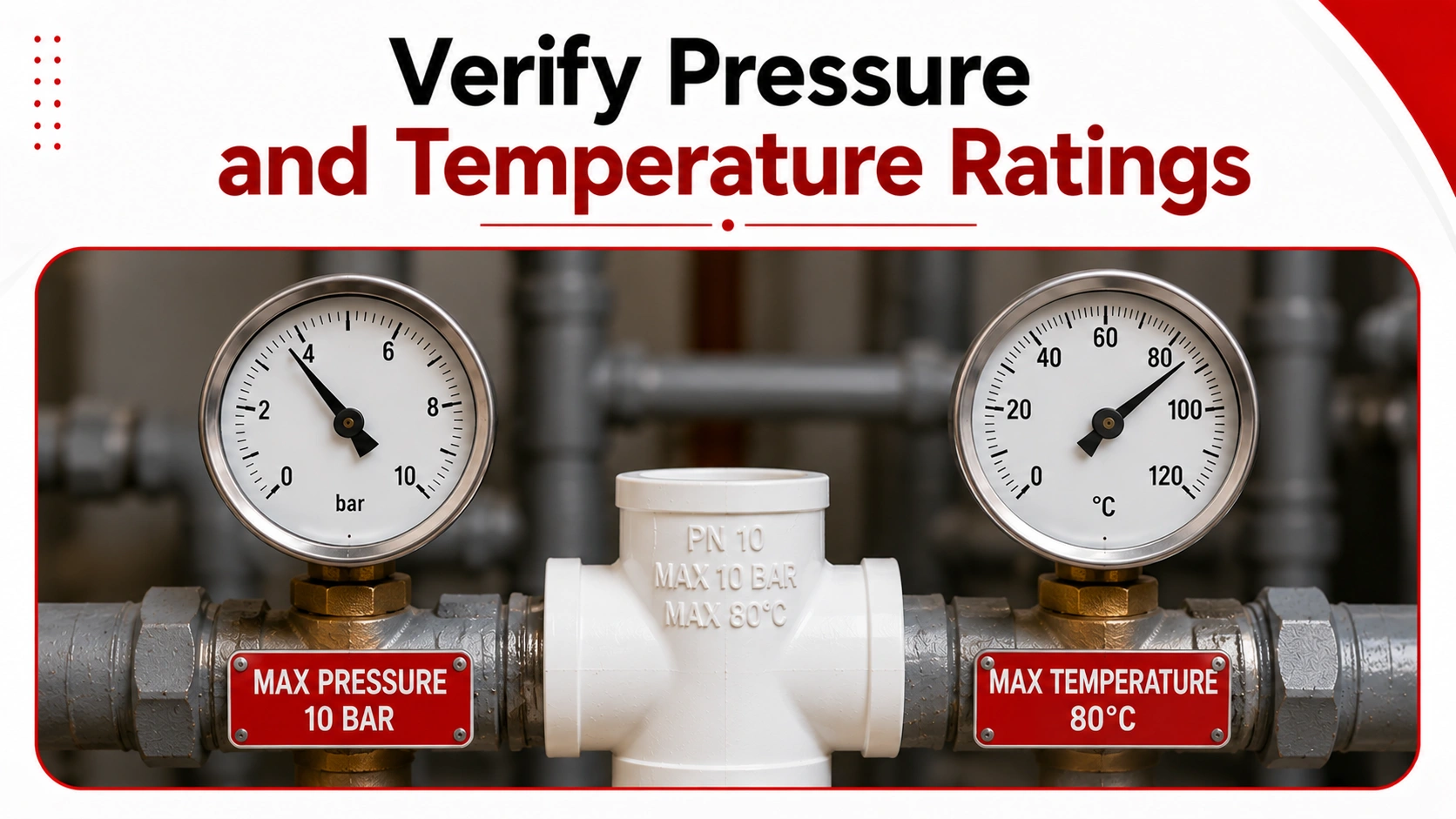
Not all rated CPVC Fittings are designed for the same pressure.
Always confirm:
- Pressure Rating
- Temperature Tolerance
- Is suitable for Your Application
Because higher-pressure plumbing systems need tougher fittings, they are especially important in commercial buildings and multi-story homes. CPVC fittings are widely favored as they can withstand heat and pressure much more than conventional PVC fittings.
5. Buy Certified and Standard-Compliant Products
Quality is important in drainage systems. The inexpensive, substandard fittings can burst under pressure and lead to water leakage.
Check for such statements on the packaging and on the labels of the fittings:
- ASTM D2846
- ASTM F439
- ASTM F441
- NSF Certifications
These are all standards for proper dimensions and safe and durable products.
6. Use Compatible Solvent Cement
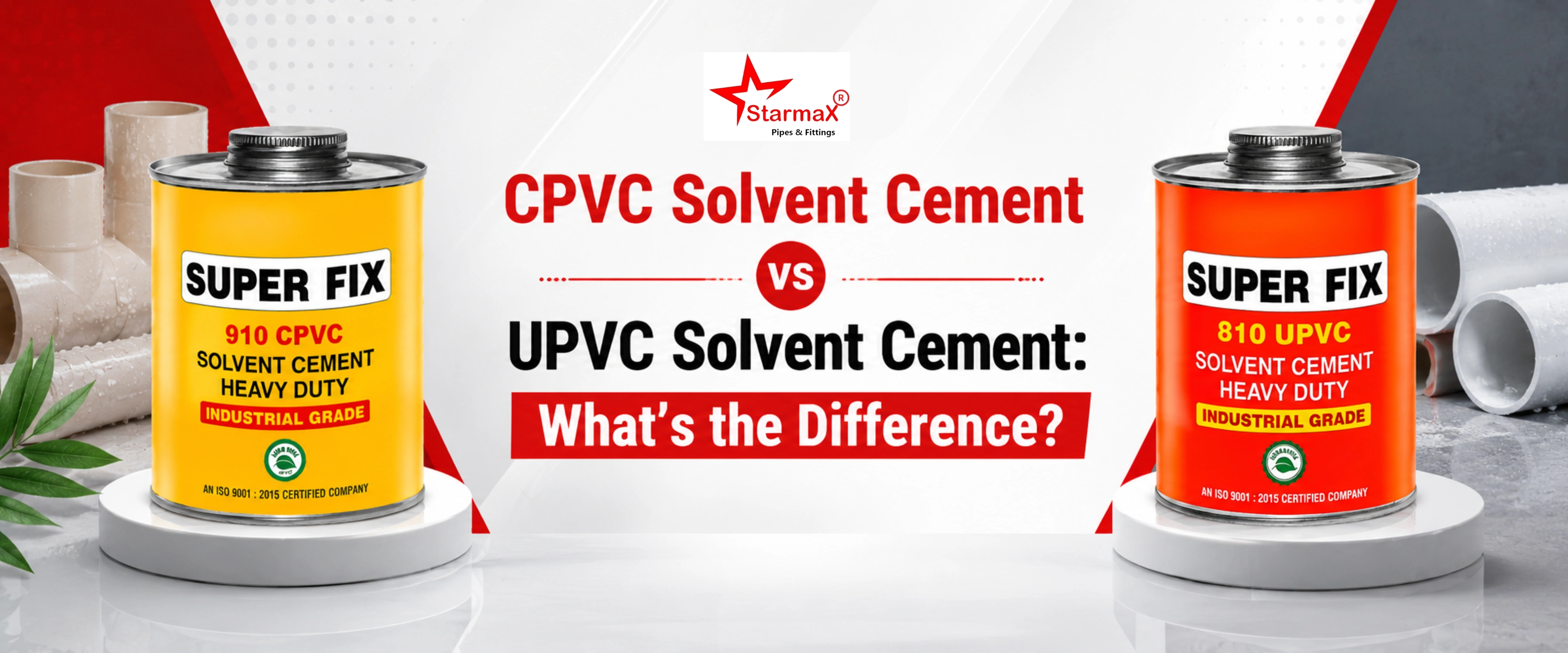
CPVC fittings must be cemented with special solvent cement. There is no need to use regular PVC glue on CPVC pipe and fittings.
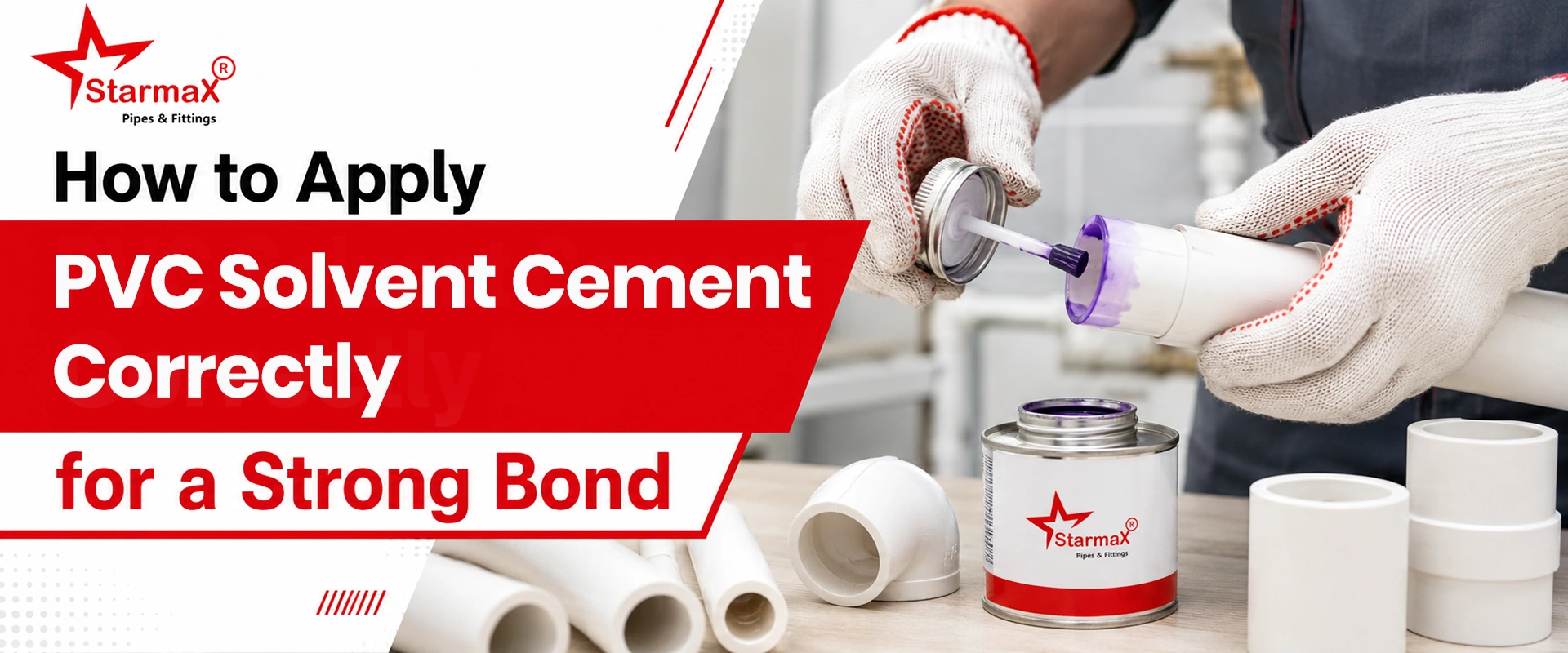
For good joints:
- Clean the Pipe and Fitting
- Apply primer, if necessary
- Use CPVC Solvent Cement
- Make a joint immediately and hold forcefully
Solvent-bond welded joints are strong and reliable, and with proper technique and materials, you will enjoy many years of leak-free service.
7. Consider Water Quality and Environment
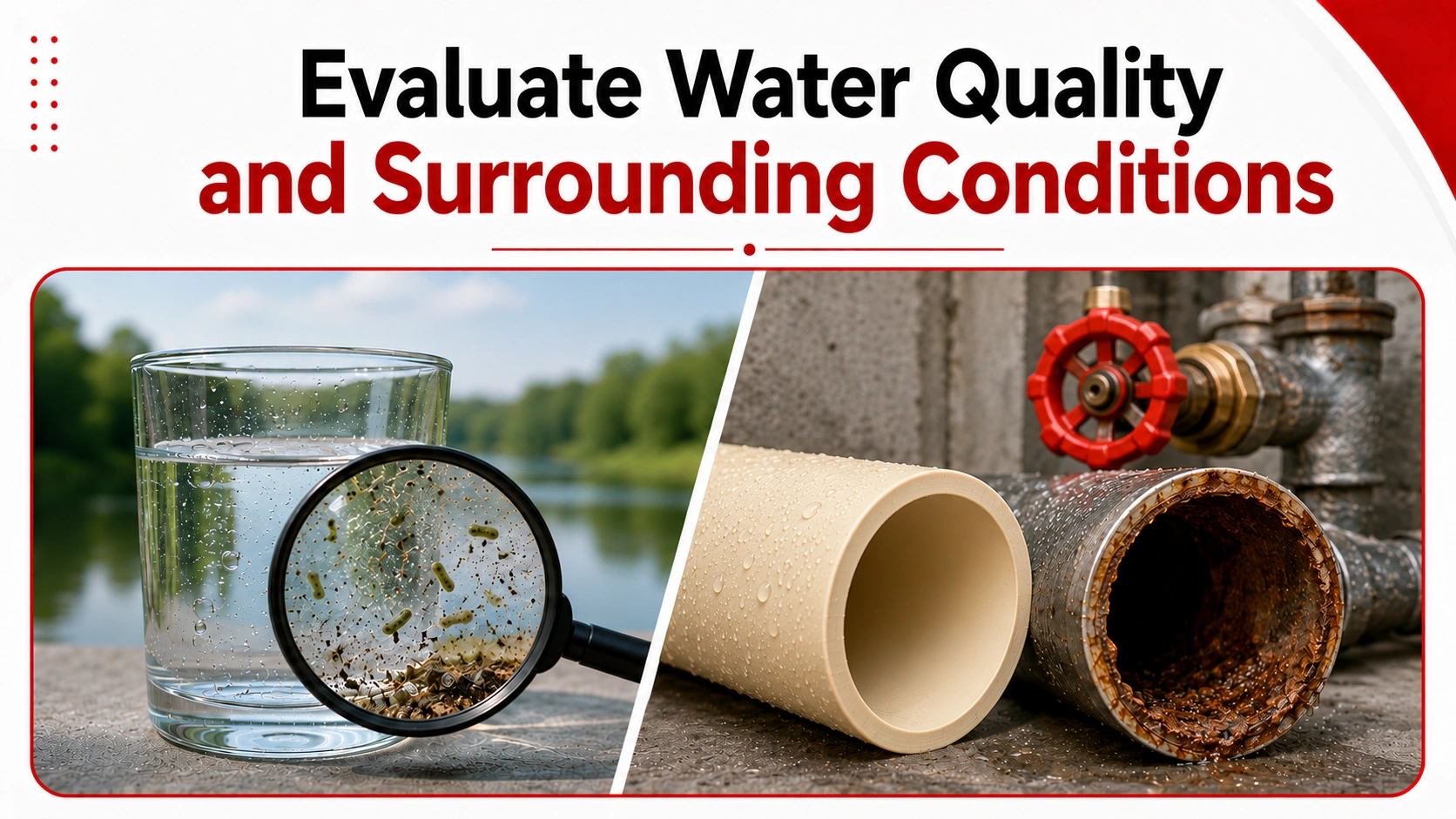
If you have hard water or chemicals in your plumbing, or if your water is chlorinated, CPVC is a good option as it is resistant to corrosion and scaling.
CPVC fittings are also resistant to rust like the metal pipes, which helps keep a steady, clean water flow over the years.
But if you are going to fit outdoors, verify UV resistance or provide shielding.
8. Avoid Mixing Different Materials
A lot of plumbers advise not to mix and match CPVC with metal, PVC, or other incompatible fitting types unless you’re using adapters.
Bad combos can make joints weak and cause them to leak. Most professionals suggest using specific CPVC threaded adapters or industry-accepted transition fittings when interfacing with metal plumbing systems.
9. Buy from Trusted Brands and Suppliers
Reliable brands usually provide:
- Better material quality
- Accurate sizing
- Stronger joints
- Longer product life
- Warranty support
Trusted manufacturers also follow strict production standards and testing procedures, reducing the chances of plumbing failures.
Common Mistakes to Avoid
- Using Incorrect Sized Fittings: This will cause poor water flow and leakage.
- Mixing CTS and SCH80 Systems: Different standards are a barrier to interoperability.
- Using Inferior-Quality Glue: Solvent cement joints with poor bonding may fail with time.
- Purchasing Inexpensive and Non-Approved Products: Substandard compression fittings have been known to split under pressure.
- Disregarding Pressure Ratings: You should always ensure your fittings are suitable for your plumbing system.
Conclusion
Selecting the correct CPVC fittings is a very important aspect of any plumbing job and can determine its longevity and success. Whether it’s ensuring the right type and size of fitting or verifying pressure ratings and certifications, the details add up when you’re developing a safe, efficient water system.
Quality CPVC fittings, on the other hand, that are properly installed provide flow enhancement and lower your operational costs through decreased maintenance and no rework due to leakage. When you choose Carrier products and the right installation techniques, you can expect reliable performance for years in your home or business.
When it comes to reliable plumbing solutions, Starmax Pipes is a trusted name in the industry. Starmax Pipes offers high-quality CPVC and uPVC piping solutions designed for strength, durability, and long-term performance. Their products are manufactured using quality materials and modern technology to meet the needs of modern plumbing systems. Whether you are working on a home, office, or industrial project, Starmax Pipes provides dependable piping products that combine quality, affordability, and performance.
Frequently Asked Questions
1. What is the purpose of CPVC fittings?
CPVC fittings are utilized to join, influence direction, and manage the flow of water in warm and cold water plumbing lines.
2. Is it safe to use CPVC for hot water?
Yes, CPVC pipes and fittings are able to withstand high temperatures, and they are often utilized in hot water plumbing.
3. Are the fittings for PVC and CPVC the same?
No, CPVC is a denser material and has been tested and rated to withstand higher temperatures and pressure. So they are not compatible.
4. What is the best solvent cement for CPVC?
You can’t use PVC cement on CPVC fittings. Always apply CPVC solvent cement that is intended for use with CPVC pipes and fittings.
Related Blog
WHY STARMAX ?
MAKE IN INDIA- BEST QUALITY PRODUCTS UNDER THE MISSION MAKE IN INDIA
BEST QUALITY PRODUCTS- All products are certified and manufactured as per ASTM standards.
HIGHEST SATISFACTION We assure the customers for 100% statisfaction in terms of price and quality
BEST BUSINESS STANDARDS- we have the mission of providings the products in best business standards i.e.
Free! Get A Quote

"Starmax" is a brand launched by "Naira Group" offering a wide range of CPVC & UPVC pipes and fittings. We are based in India ka Dil- Dilli CHAWRI BAZAR (Delhi).
Our Product
CPVC Pipes and Fittings UPVC Pipes PTMT Taps UPVC Fitting System PVC Plastic Tap Solvent Cement Clampes BrochureContact Us
Mr. Sumit Gupta
Address
3348/1, Gali Peepal Mahadev, Chawri Bazar, Delhi-110006
© 2026 Starmax Pipes. All Rights Reserved.
